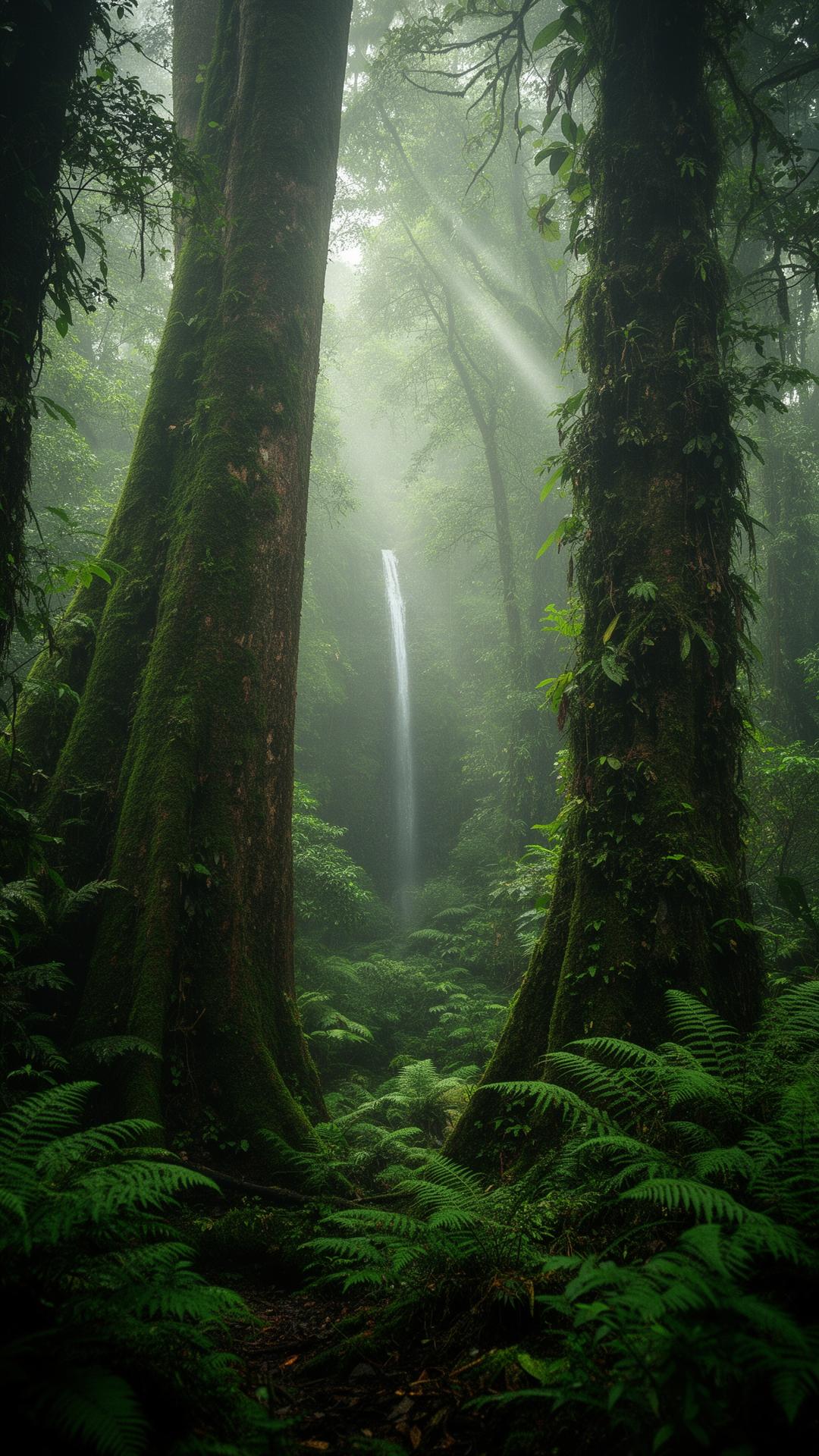
They do not perform for us. They simply continue — older than empires, more articulate than any language we have ever written down.
Scroll to enter
Introduction
Wildlife is the original culture of this planet. It invented song long before we did. It invented architecture, navigation, language and patience — and it did all of it without writing a single sentence down.
There are more than 8.7 million species sharing Earth with us, and we have managed to name fewer than a quarter of them. Each one is a small, working answer to the same question: how do you stay alive on a planet that keeps changing? Some answered with speed. Some with venom. Some with thirty thousand teeth. Some, like the elephant, simply remembered everything.
To watch wildlife in the wild is to watch a story that does not need us in it — and to realize that the most respectful thing we can offer in return is our silence.
8.7M
Species on Earth
73%
Wildlife loss since 1970
200+
New species named / year
60
Years a wild elephant can live
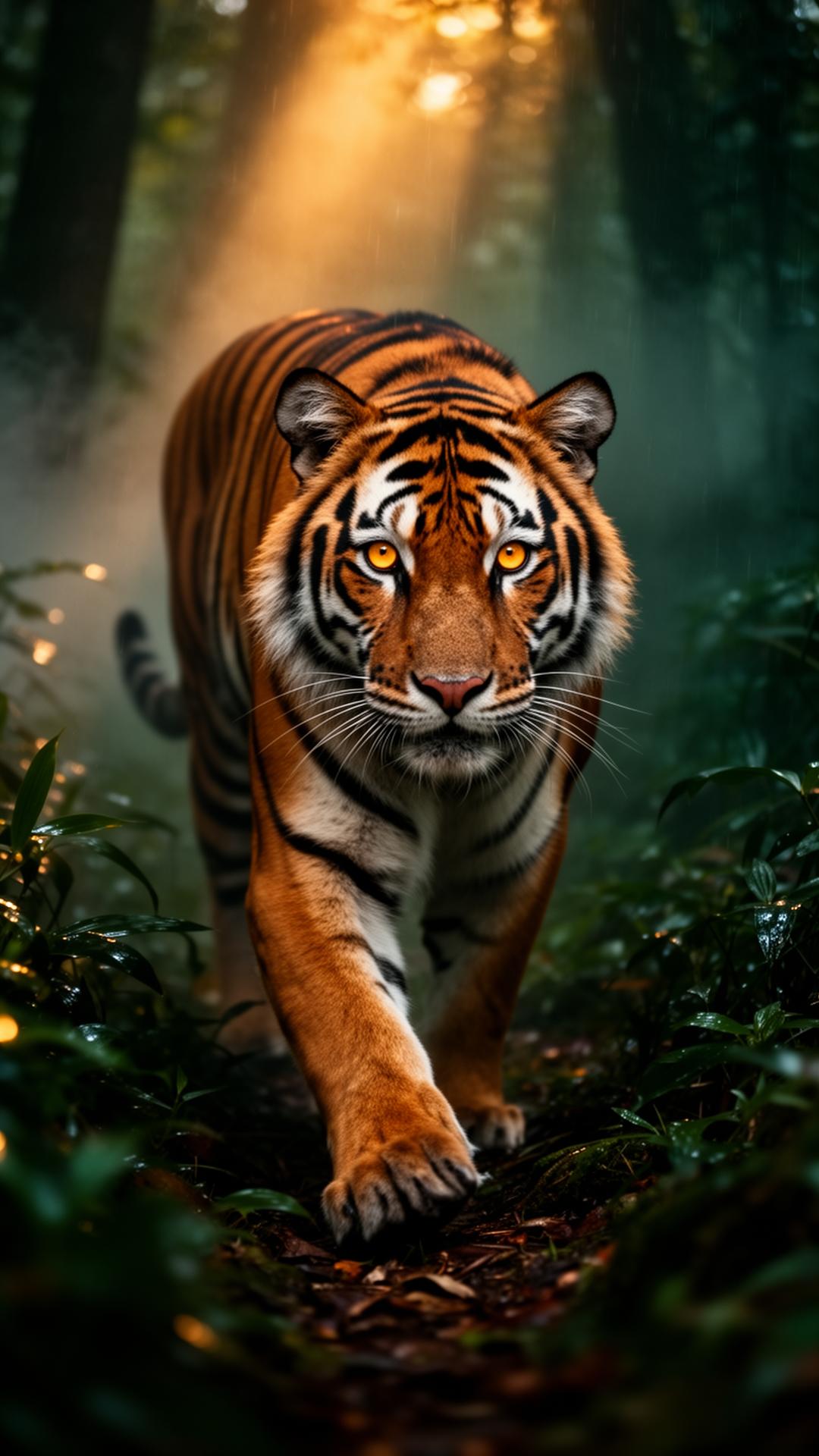
01The tiger
Three hundred kilograms of silence.
A tiger can walk past you in tall grass and you will never know. Its stripes were not designed for beauty — they were designed for invisibility, breaking the body's outline against bamboo and shadow. Everything about it is a master class in restraint, until the moment restraint ends. Fewer than four thousand wild tigers remain. We are the only thing on Earth they fear, and we are losing them anyway.
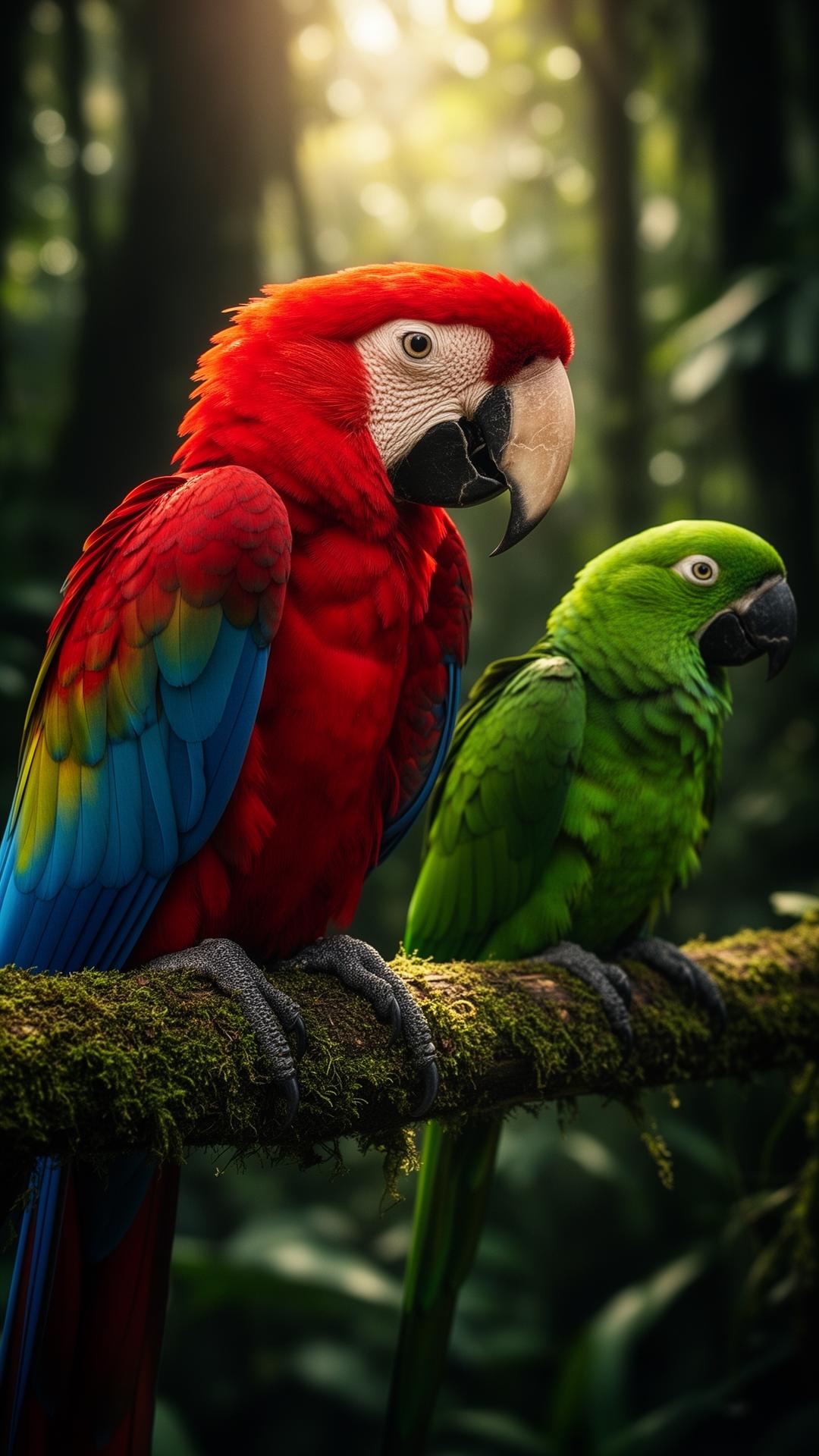
02The macaws
A language painted in feathers.
Scarlet macaws mate for life and travel as families. Their colors are not vanity — they are signals across vast green distances, a way of saying I am here, I am yours, I have not forgotten the route home. They gather by the hundreds at riverbank clay licks, eating mineral-rich earth to neutralize the toxins in their daily diet of unripe fruit. It is one of the loudest, most beautiful gatherings on Earth.
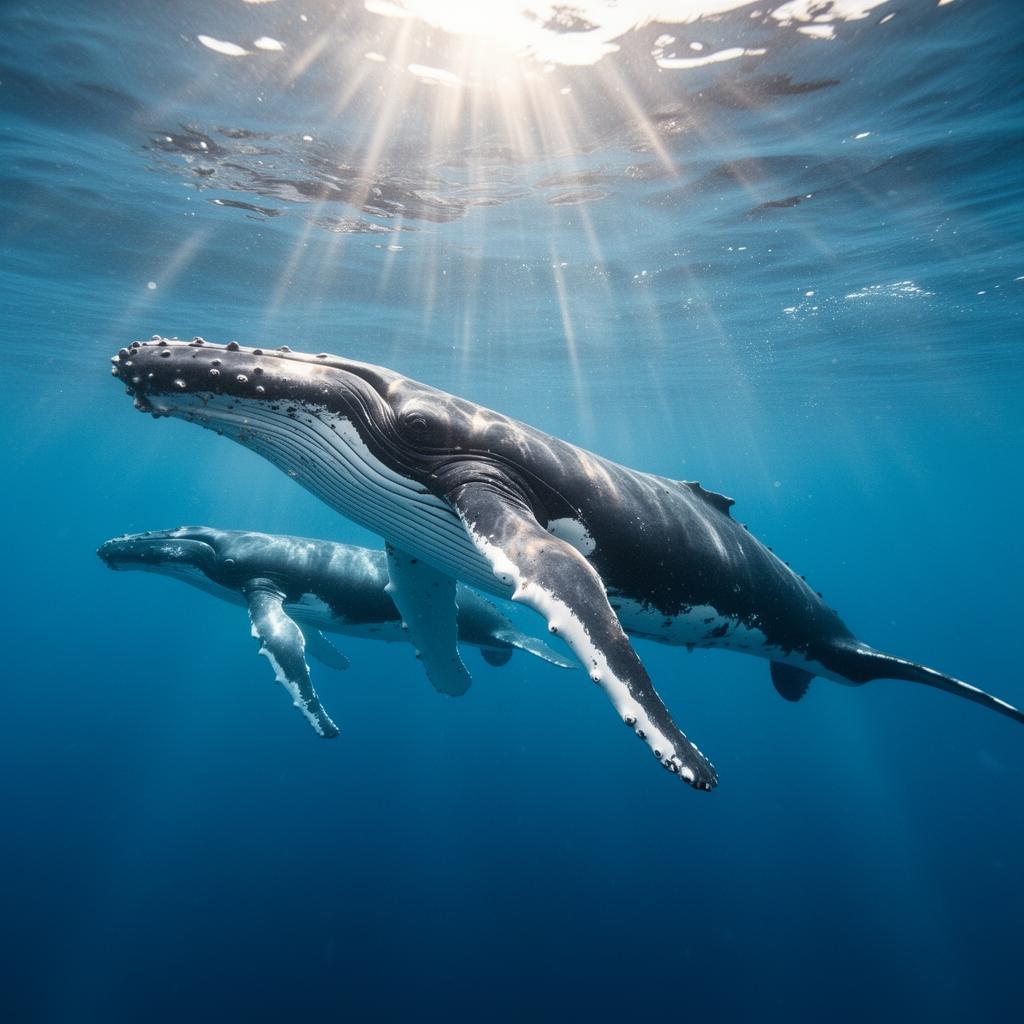
03The whale
Songs that travel across oceans.
A humpback whale's song can travel thousands of kilometers through cold ocean water. Every population sings a different song, and every year the song evolves — a slow, planet-wide composition no one is conducting. Humpbacks were nearly hunted to extinction in the twentieth century. They have come back. Almost no other large animal has been given that gift, and almost none has accepted it so generously.
04The smallest lives
Wonders, measured in millimeters.
The most extraordinary wildlife on Earth is rarely the largest. A single hummingbird beats its wings eighty times a second. A leafcutter ant carries fifty times its own weight. A tardigrade can survive in the vacuum of space. Greatness, in the wild, has very little to do with size.
“
The eye of a tiger is the only mirror in which the human story looks small.
Wildlife
A field portrait of the wild.
Each species below is one of millions — picked not because it is rare, but because it has something to teach us about how to keep going.
Bengal tiger
Panthera tigris tigris
A single stripe pattern is as unique as a fingerprint; can leap ten meters in a single bound.
African elephant
Loxodonta africana
Mourns its dead, recognizes itself in mirrors, and remembers watering holes from sixty years ago.
Humpback whale
Megaptera novaeangliae
Sings in dialects that travel ocean basins; mothers and calves whisper to avoid attracting predators.
Scarlet macaw
Ara macao
Mates for life, travels as a family, and can live to seventy years in the wild.
Snow leopard
Panthera uncia
Lives above 4,000m and is so well camouflaged that even researchers often miss one in plain view.
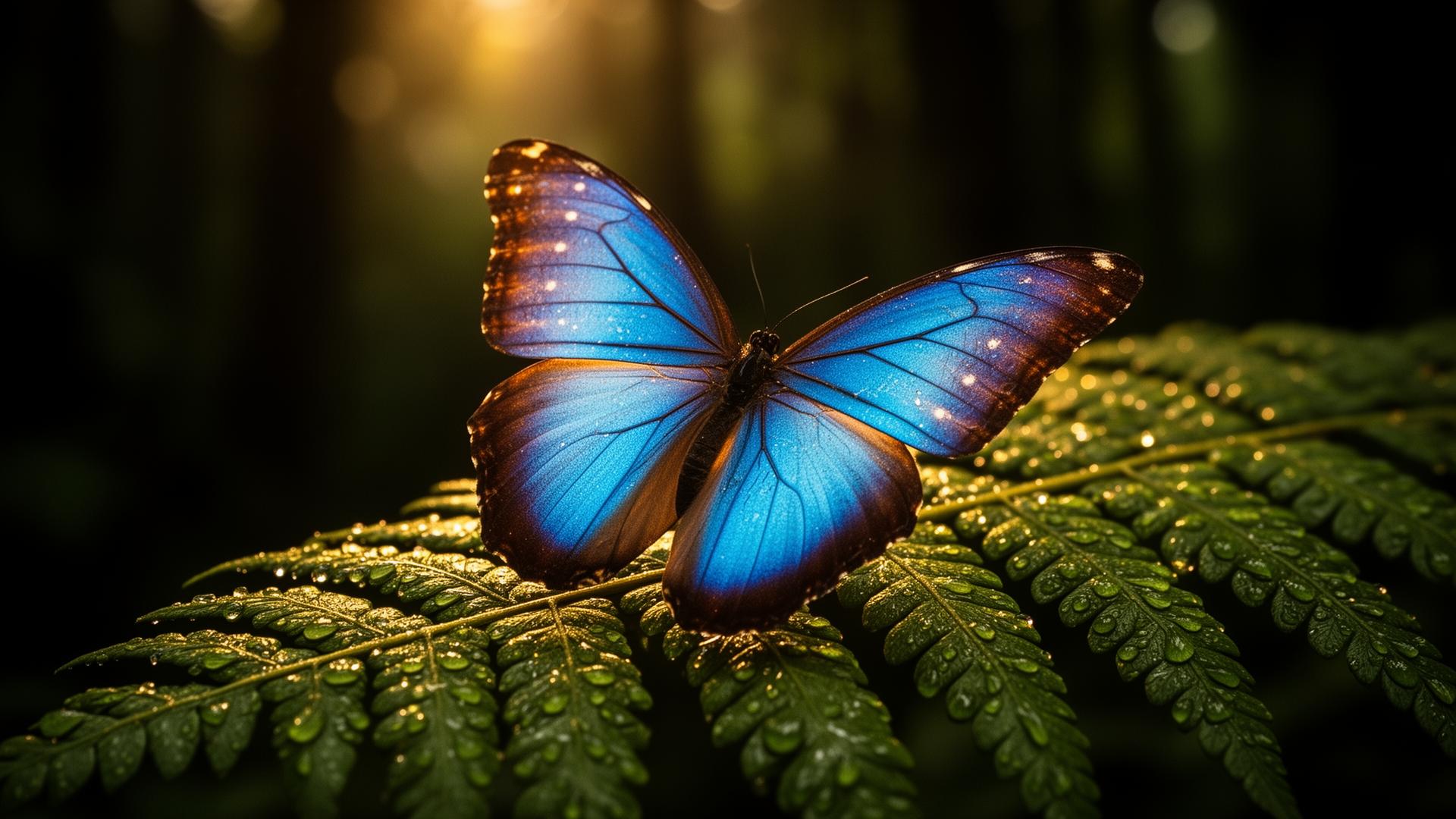
Blue morpho
Morpho menelaus
Has no blue pigment — its wings bend light through microscopic ridges, a structural color refined over millennia.
Geography
Where the wild things still are.
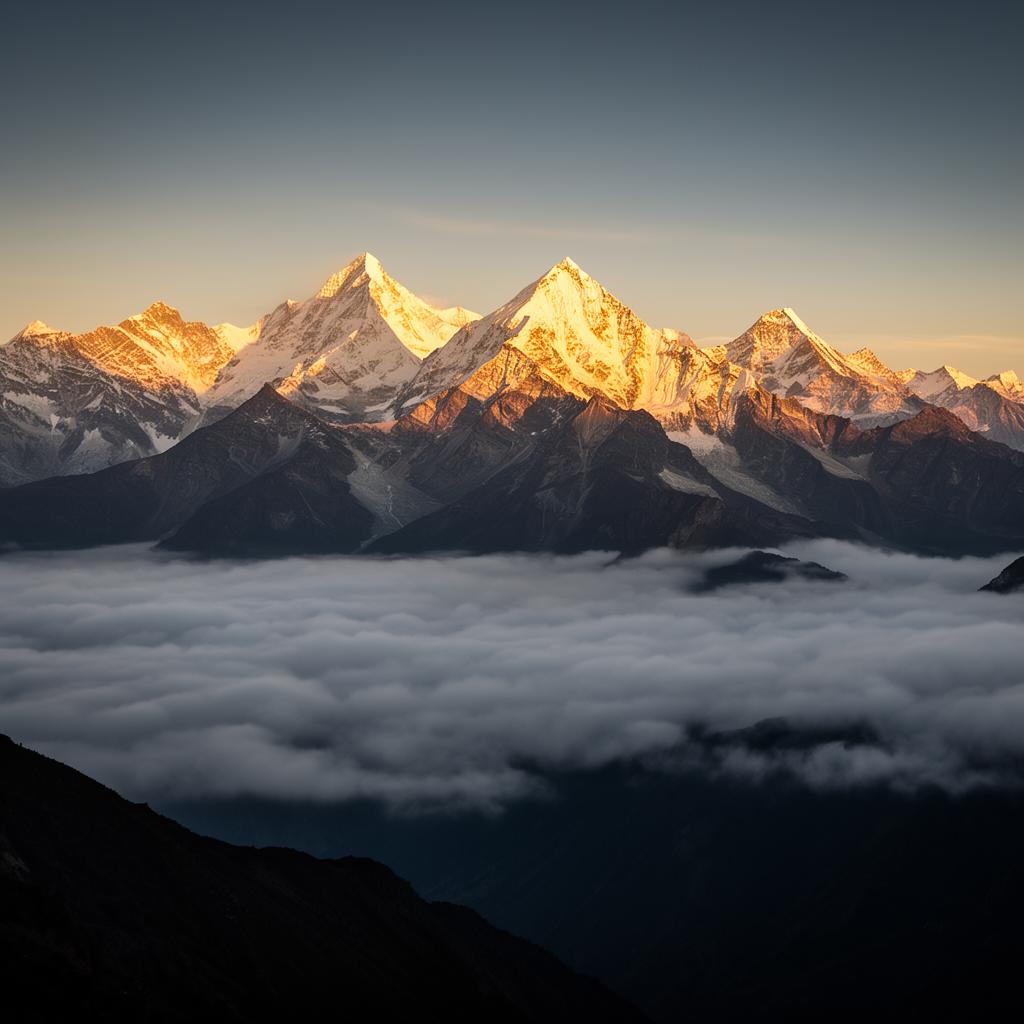
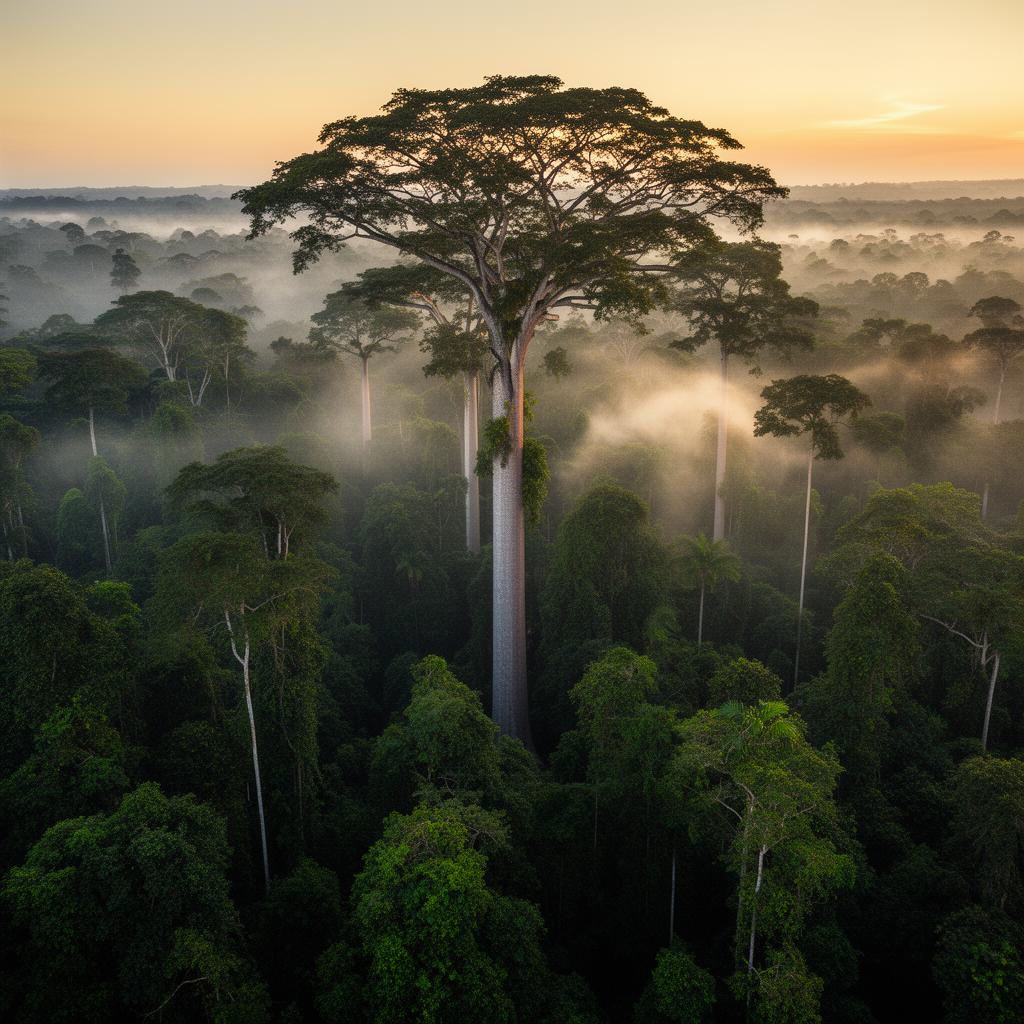
Earth's most intact wildlife communities now cluster in a handful of regions: the Serengeti and Okavango, the Amazon and Pantanal, the boreal forests of Russia and Canada, the high country of Mongolia and Bhutan, and the great deep ocean we have barely visited. Together these places shelter what is left of the planet's evolutionary memory.
Serengeti
30,000 km²
Pantanal
210,000 km²
Boreal forest
16M km²
Open ocean
361M km²
Field Discoveries
Curious things we learned along the way.
01
Elephants console each other.
When one calf cries, unrelated adults will hurry over and touch it gently with their trunks — the only species besides us and great apes known to do this.
02
Octopuses dream.
Watch a sleeping octopus and you'll see waves of color pass over its skin — researchers believe they are dreaming in pattern.
03
Crows hold grudges.
Crows recognize individual human faces and can pass the grudge to younger generations.
04
Ants run hospitals.
Matabele ant colonies carry wounded soldiers home and treat their injuries; survival rates jump from twenty to ninety percent.
05
Cuttlefish hypnotize their dinner.
Some cuttlefish flash hypnotic stripes across their bodies to disorient prey before striking.
06
Wolves restore rivers.
When wolves returned to Yellowstone, deer changed where they grazed; trees came back, beavers came back, and the rivers themselves changed course.
Field Gallery
Bengal tiger · India
Manú · Peru
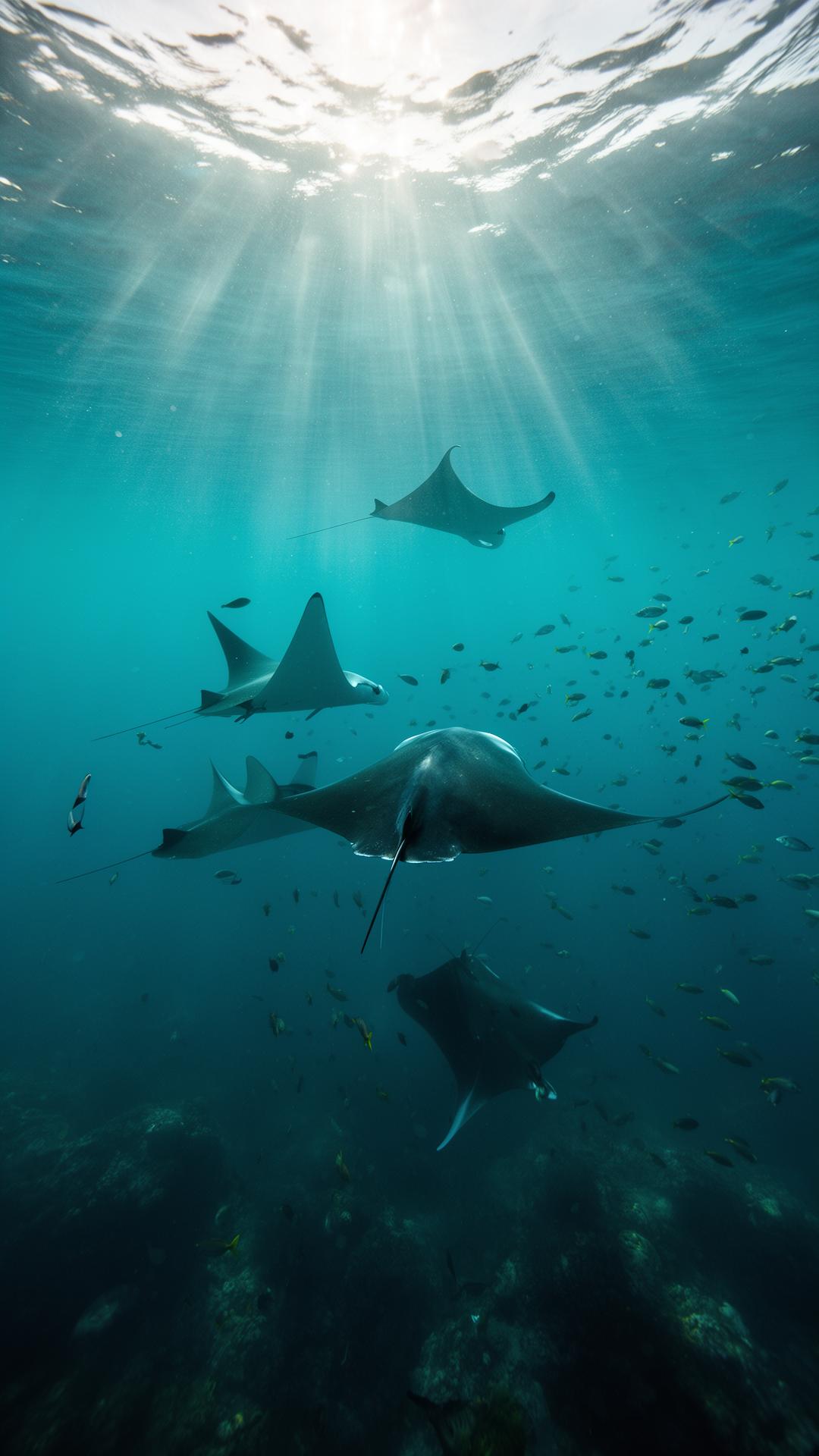
Tonga
Ladakh · India
Cloud forest macro
Maldives
Conservation
We are the first generation that can fully measure the loss — and the last that can choose to stop it.
Since 1970, monitored wildlife populations have fallen by an average of seventy-three percent. A million species are at risk of extinction. The drivers are the ones we already know: habitat loss, climate change, overexploitation, pollution. The solutions are also the ones we know — they simply require us to choose them at scale.
01Protect and restore habitat — by far the single most effective intervention.
02Support indigenous land rights, which protect roughly 80% of remaining biodiversity.
03Fund frontline conservation: WWF, WCS, Re:wild, Panthera, Global Wildlife Conservation.
04Make daily choices — diet, travel, finance — that reduce pressure on wild systems.